

Will Wild Hemp Cigarettes Trigger Drug Tests?
January 19, 2026
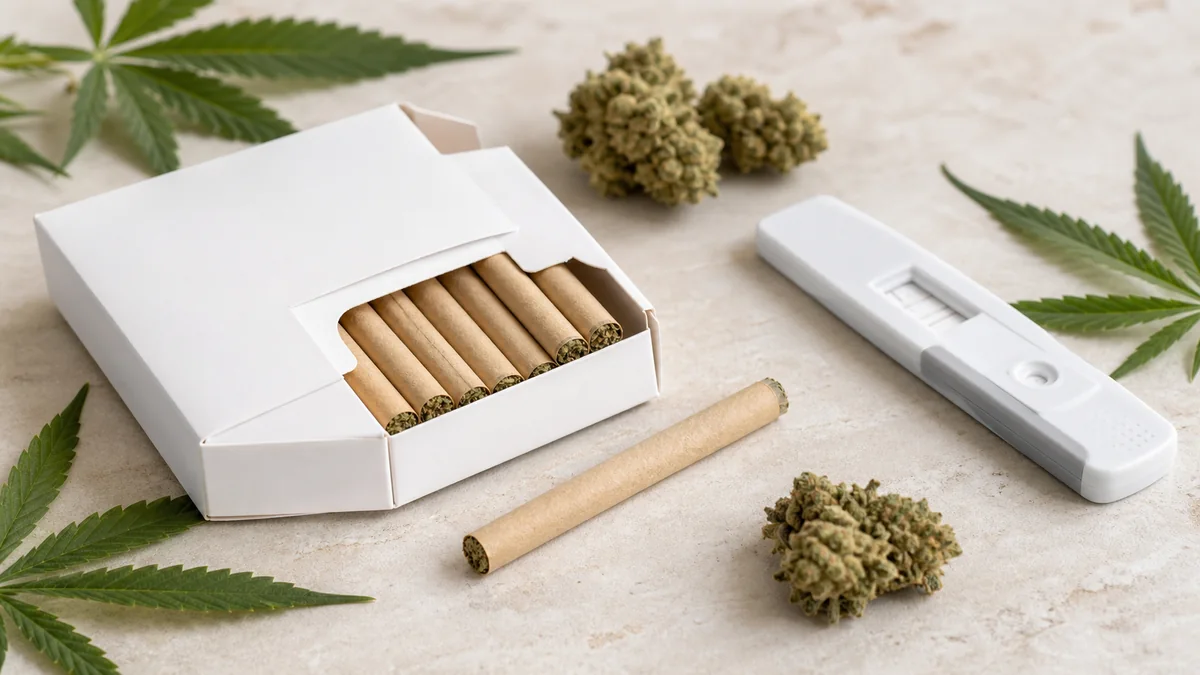
Exploring whether smoking hemp could lead to a positive drug test raises important questions about THC content in these products. Often referred to as hemp cigarettes or hempettes, these smokable hemp products typically contain CBD along with trace amounts of THC allowed under federal law. While they are legal, the presence of THC creates understandable concern for individuals subject to workplace or pre-employment drug testing.
Because many employers still rely on THC-based screening, understanding how wild hemp cigarettes interact with drug tests is essential. Below, we examine how THC content, testing sensitivity, and product selection can influence results, starting with a closer look at hempette THC levels and testing considerations.
When evaluating smoking alternatives with wild hemp and wild hemp cigarettes, THC content is the central factor in drug test outcomes. Hemp products are legally defined by their THC concentration, but testing methods do not always distinguish between sources.
Legal THC limits: Hemp cigarettes are made from federally legal hemp that contains no more than 0.3% delta 9 THC by dry weight. This threshold defines hemp under federal law, but it does not guarantee a negative drug test.
Drug test sensitivity: Most standard drug tests are designed to detect THC metabolites rather than the source of THC. Even legally compliant hemp products can introduce trace amounts that may accumulate over time.
Industry regulation factors: Variability in cultivation, curing, and product formulation can affect final THC levels. Staying informed and purchasing from transparent retailers helps reduce uncertainty.
Understanding these fundamentals helps consumers assess risk rather than assume outcomes.
CBD cigarettes are often grouped with hemp cigarettes, but they still present similar testing considerations. Even products marketed as CBD-focused may contain small amounts of THC due to legal allowances.
THC detection thresholds: Drug tests do not screen for CBD itself. They look for THC metabolites. Hemp smokables can legally contain trace THC that may register depending on usage patterns.
Product labeling variability: Industry audits have shown that labeling accuracy can vary. Products may contain more THC than expected if sourcing and testing are inconsistent.
Employment consequences: A positive drug test can have professional consequences regardless of product legality. This reality makes awareness and product selection critical.
Consumer responsibility: Understanding product composition and test limitations allows individuals to make informed decisions based on their personal circumstances.
Retail education focuses on transparency rather than assurances.
The growing availability of legal hemp products has not eliminated testing ambiguity. Drug testing technology often lags behind evolving product categories.
Test design limitations: Many tests are not designed to differentiate between hemp-derived THC and marijuana-derived THC. A positive result often reflects metabolite presence rather than legality.
Federal hemp definition: Hemp is defined as cannabis containing less than 0.3% delta 9 THC. However, other cannabinoids, such as delta 8 and THCa, may still convert or metabolize in ways that trigger tests.
Consumer rights awareness: A positive test does not always end the conversation. Confirmatory testing and documentation may be available depending on employer policy.
Regulatory precedent: Court cases across multiple states have shown that the legality of use does not always protect individuals from employment decisions tied to THC testing.
Informed purchasing: Understanding what you are buying and how it aligns with testing standards is one of the most effective ways to manage risk.
Knowledge remains the strongest tool for consumers navigating this category.
Drug tests typically do not look for THC itself, but for metabolites produced after the body processes it. This distinction matters when evaluating hemp cigarettes.
THC presence: Federally legal hemp may contain up to 0.3% delta 9 THC. While considered non-intoxicating by legal definition, this THC can still metabolize in the body.
Metabolite detection: Tests often target THC-COOH, a metabolite that does not indicate how the THC entered the body.
Heat conversion factors: When hemp flower is smoked, THCa converts into THC through heat. This conversion can increase detectable metabolites.
Detection timelines: Urine tests may detect metabolites for several days or weeks, depending on the frequency of use. Oral fluid and hair tests have different detection windows.
State-specific rules: Some states restrict certain smokable hemp formats even if federally legal. Awareness of local law is essential.
These factors highlight why hemp legality does not equate to testing immunity.
As hemp products become more mainstream, testing scenarios have become more complex. Consumers often underestimate how sensitive modern tests can be.
Legal THC levels: Even trace THC allowed by law can trigger detection, especially with repeated use.
Delta 8 considerations: Delta 8 THC is chemically similar to delta 9 and can produce the same metabolites targeted by tests.
Real-world implications: Documented cases show that individuals using legal hemp products have still faced scrutiny after positive tests, underscoring the gap between legality and testing outcomes.
This reinforces the importance of informed decision-making rather than assumptions.
Workplace drug policies are often stricter than state hemp laws. Employers typically prioritize test results over product legality.
State law variation: Some states provide limited protections for lawful product use, while others do not address hemp or THC specifically.
Employer discretion: Many employers retain the right to act on positive THC results regardless of source.
Employment risk factors: Using smokable hemp products may carry professional risk for individuals subject to routine testing.
Policy awareness: Reviewing workplace drug policies before using hemp cigarettes is a practical step for risk management.
Understanding policy frameworks helps align expectations with reality.
While no approach can guarantee test outcomes, informed habits can reduce uncertainty for consumers exploring hemp cigarettes.
THC awareness: Stick to products that clearly disclose THC levels and comply with federal limits.
Certificates of analysis: Reviewing third-party lab reports provides visibility into cannabinoid content and compliance.
Usage moderation: Frequency and quantity of use influence metabolite accumulation. Conservative usage reduces exposure risk.
These practices support responsible product exploration rather than risk elimination claims.
Wild hemp cigarettes are federally legal smokable hemp products that comply with the 0.3% delta 9 THC threshold. However, legality does not equal immunity from drug testing outcomes. Drug tests are designed to detect THC metabolites, not intent or compliance.
For customers in Matthews, Monroe, Indian Trail, Stallings, and Charlotte, Your CBD Source focuses on transparency, product variety, and clear education around hemp cigarettes and other CBD products. Whether you are exploring hemp boxed cigarettes, gummies, topicals, or other federally legal options, understanding how these products interact with testing policies is essential.
If you have questions about hemp cigarettes or want help reviewing product details before purchasing, our team is here to provide clear information so you can shop with confidence at your local Matthews CBD retailer.

Many smokers want a new pick. Many smokers seek other options than normal cigarettes, and...
Navigating through proper disposal methods for pre-rolls ensures we respect both the law and our...
January 19, 2026
January 19, 2026
October 28, 2025
October 9, 2025